


عندما تحتاج إلى رؤية واضحة على الماء، لا تكفي كاميرا واحدة. تساعدك كاميرات الضوء المرئي على رؤية التفاصيل أثناء النهار. Aكاميرا PTZ حراريةتساعدك على العثور على الأشياء في الظلام أو الضباب الكثيف. تعد جودة التصوير مهمة للأمن والملاحة والسلامة على القوارب.كاميرات PTZ ثنائية المستشعرتستخدم التصوير الحراري والبصري معًا. يمنحك ذلك رؤية واضحة بغض النظر عن الطقس أو الوقت.
- تحصل على سلامة ووعي أفضل في الموانئ المزدحمة أو أثناء الليل.
- تساعدك هذه الكاميرات عندما تحتاج إلى رؤية كل شيء، مثل الطقس السيئ أو عندما تكون الرؤية صعبة.
النقاط الرئيسية
- تستخدم كاميرات PTZ ثنائية المستشعر الضوء المرئي والتصوير الحراري معًا. يساعدك ذلك على الرؤية جيدًا في أي ظروف.
- تعمل كاميرات الضوء المرئي بشكل أفضل أثناء النهار. فهي توفر صورًا واضحة وملونة للسفر الآمن.
- تكتشف كاميرات PTZ الحرارية الحرارة. وهذا يجعلها مفيدة جدًا في الليل أو الضباب أو الطقس السيئ.
- يساعد استخدام نوعي الكاميرات معًا في الحفاظ على سلامتك. يمكنك اكتشاف المخاطر والأشخاص الذين لا ينبغي أن يكونوا هناك.
- يوفر شراء كاميرات ثنائية المستشعر قوية المال على الإصلاحات. كما يضمن عملها بشكل جيد في البيئات البحرية القاسية.
التصوير بالضوء المرئي
كيفية عمل كاميرات الضوء المرئي
تعمل كاميرات الضوء المرئي بطريقة تشبه عينيك كثيرًا. فهي تحتاج إلى ضوء الشمس أو أضواء أخرى لإظهار ما يحيط بقاربك. تستقبل عدسة الكاميرا الضوء وترسله إلى مستشعر. يحول المستشعر الضوء إلى صورة رقمية. يمكنك رؤية الألوان والأشكال والتفاصيل الصغيرة في الصورة. يساعدك ذلك على معرفة ماهية الأشياء، وقراءة العلامات، ورؤية القوارب الأخرى.
الفوائد في البيئات البحرية
توفر لك كاميرات الضوء المرئي صورًا مشرقة وملونة أثناء النهار. يمكنك استخدامها للبحث عن الأشياء في الماء، ومراقبة ما يفعله الطاقم، وفحص معداتك. تساعدك هذه الكاميرات على اكتشاف السفن والعوامات والأماكن على الشاطئ. يمكنك أيضًا استخدامها لتسجيل ما يحدث من أجل السلامة أو التعلم. إذا استخدمت كاميرا ضوء مرئي مع كاميرا PTZ حرارية، يمكنك رؤية كل شيء من حولك.
نصيحة: استخدم كاميرات الضوء المرئي عندما تحتاج إلى رؤية الألوان، مثل قراءة الأعلام أو النظر إلى أضواء الملاحة.
التحديات في الظروف غير الملائمة
لا تعمل كاميرات الضوء المرئي جيدًا عندما يكون الطقس سيئًا. يمكن للضباب والمطر ورذاذ البحر والهواء الرطب أن تحجب ما تراه الكاميرا. تجعل هذه الأشياء من الصعب على الكاميرا الحصول على صورة واضحة. قد ترى أشكالًا ضبابية فقط أو تفوتك أشياء مهمة. في الليل أو عندما يكون الجو مظلمًا، لا تستطيع الكاميرات المرئية إظهار ما أمامك. ستحتاج إلى شيء إضافي لمساعدتك على الرؤية.
- ينشر الضباب الضوء ويجعل الرؤية صعبة.
- يمكن للمطر ورذاذ البحر تغطية العدسة وجعل الصورة ضبابية.
- يمكن للهواء الرطب أن يجعل الرؤية لمسافات بعيدة صعبة.
عند حدوث هذه المشكلات، يمكن لكاميرا PTZ حرارية مساعدتك على رؤية ما لا تستطيع كاميرات الضوء المرئي رؤيته.
تقنية كاميرات PTZ الحرارية
كيفية اكتشاف الكاميرات الحرارية للحرارة
تتيح لك كاميرا PTZ حرارية رؤية الحرارة، وليس الضوء فقط. تلتقط الكاميرا الطاقة تحت الحمراء من الأشياء المحيطة بك. وتحول هذه الطاقة إلى صور يمكنك رؤيتها. تظهر الأشياء الدافئة مثل القوارب والأشخاص والمحركات بشكل ساطع في الصورة. وتبرز عن الأشياء الأكثر برودة في الخلفية. يمكنك العثور على هذه الأهداف حتى إذا لم تتمكن من رؤيتها بعينيك. تعمل الكاميرا في النهار والليل. وتحصل دائمًا على صورة واضحة.
- يمكن لكاميرات PTZ الحرارية اكتشاف الحرارة من مسافة تصل إلى 55 كيلومترًا.
- تتميز بحساسية عالية وتعمل جيدًا على الماء.
- يمكن للكاميرا الرؤية بسهولة عبر الهواء وبخار الماء.
المزايا في الضباب والظلام والطقس القاسي
توجد العديد من المشكلات في البحر، مثل الضباب والظلام والمطر. تساعدك كاميرا PTZ حرارية على الرؤية في هذه الظروف الصعبة. يمكنها إظهار الأشياء الدافئة من خلال الدخان والضباب الخفيف والمطر. يمكنك تتبع القوارب من خلال حرارة محركاتها أو رؤية مسارات دافئة في الماء. يساعدك ذلك عندما لا تعمل كاميرات الضوء المرئي جيدًا.
ملاحظة: يساعد التصوير الحراري في العثور على المخاطر والأشخاص في ظروف ضعف الرؤية. يمكنك الحفاظ على سلامة قاربك ومنع الحوادث.
- ترى الأشياء الدافئة مقابل الخلفيات الباردة.
- يمكنك تتبع القوارب المتحركة حتى عندما تكون الرؤية صعبة.
- يمكنك العثور على الأشياء بشكل أفضل من الكاميرات العادية.
فعالية التكلفة والمتانة
تريد كاميرا تدوم لفترة طويلة ويسهل الاعتناء بها. صُممت كاميرات PTZ الحرارية للطقس البحري القاسي. يمكنها تحمل المياه المالحة والرياح والعواصف. لا تحتاج إلى إصلاحها كثيرًا. تعمل الكاميرا لسنوات وتبقى موثوقة.
- توفر المال لأنك لا تحتاج إلى العديد من الإصلاحات.
- تدوم الكاميرا لفترة طويلة، لذا لا تحتاج إلى استبدالها كثيرًا.
- تشعر بالراحة مع معرفة أن كاميرتك تعمل في الظروف الصعبة.
التصوير المرئي مقابل التصوير الحراري
أداء ضوء النهار والطقس الصافي
ترى بشكل أفضل عندما تكون الشمس مشرقة والسماءصافية. تعرض كاميرات الضوء المرئي صورًا حادة وملونة. يمكنك اكتشاف القوارب والعوامات والعلامات بسهولة. تعرض هذه الكاميرات ما تراه عيناك. يعمل التصوير الحراري أيضًا بشكل جيد أثناء النهار. لا يحتاج إلى ضوء الشمس لإنشاء صور واضحة. تحصل على صور جيدة حتى إذا كانت الشمس ساطعة أو منخفضة.
إليك جدولًا يوضح كيفية عمل الضوء المرئي والتصوير الحراري في ضوء النهار والطقس الصافي:
| التقنية | أداء ضوء النهار | الأداء الليلي |
|---|---|---|
| الضوء المرئي | يوفر صورًا واضحة، مثل ما يراه الناس. | لا يعمل جيدًا في الإضاءة المنخفضة. |
| التصوير الحراري | لا يؤثر ضوء النهار عليه؛ تبقى الصور واضحة. | يعمل ليلًا مع تباين قوي. |
تمنحك كاميرات الضوء المرئي صورًا رائعة في الطقس الصافي. يمنحك التصوير الحراري صورًا ثابتة وواضحة بغض النظر عن الطقس. يساعدك استخدام الاثنين على الرؤية بشكل أفضل أثناء النهار.
الفعالية في ضعف الرؤية والليل
عندما يأتي الضباب أو يحل الظلام، تواجه عيناك وكاميرات الضوء المرئي صعوبة. تحتاج إلى شيء يساعدك على الرؤية في الظلام أو الضباب. تحتاج كاميرات الضوء المرئي إلى بعض الضوء لتعمل. إذا كان الظلام تامًا، فلن تساعدك هذه الكاميرات. يمكن للأضواء الساطعة أن تسبب وهجًا وتجعل رؤية الأشياء صعبة.
يعمل التصوير الحراري جيدًا عندما لا تستطيع الرؤية. فهو يكتشف الحرارة، وليس الضوء. يمكنك اكتشاف الأشخاص والقوارب والمخاطر حتى في الظلام أو الضباب. لا داعي للقلق بشأن الوهج أو الإضاءة المنخفضة. تتيح لك كاميرا PTZ حرارية رؤية أشكال الحرارة، لذلك تجد الأشياء عندما لا يعمل الضوء المرئي.
- تجعل كاميرات الرؤية الليلية الضوء أكثر سطوعًا، لكنها لا تعمل في الظلام التام.
- تحتاج كاميرات الضوء المرئي إلى الضوء وتواجه صعوبة مع الوهج.
- يعمل التصوير الحراري في الظلام والطقس السيئ.
- ترى الأشياء من خلال حرارتها، وليس من خلال الضوء.
نصيحة: استخدم التصوير الحراري للرؤية عبر الضباب أو المطر أو في الليل. فهو يساعدك على البقاء آمنًا ومدركًا لما حولك.
اكتشاف المخاطر والمتسللين
تريد الحفاظ على سلامة قاربك وتجنب الخطر في الماء. تساعدك كاميرات الضوء المرئي على رؤية الأشياء العائمة والقوارب الأخرى والعلامات أثناء النهار. في الليل أو الطقس السيئ، قد تفوّت هذه الكاميرات المخاطر.
يكتشف التصوير الحراري الحرارة. يمكنك رؤية الأشياء العائمة وآثار القوارب والأشخاص في الماء، حتى في الظلام. يمكنك اكتشاف العلامات المفيدة والمخاطر. تستخدم الكاميرات الحرارية للمساعدة في الرسو وصيد الأسماك. تساعدك على العثور على مشاكل المحرك وتسربات النفط. يستخدم خفر السواحل الجاليكي الكاميرات الحرارية طوال اليوم والليل. يراقبون القوارب والأشخاص، حتى في الطقس السيئ.
- تكتشف الكاميرات الحرارية المخاطر والمتسللين في أي ظروف.
- يمكنك رؤية الأشخاص والأشياء في الماء، بغض النظر عن الضوء.
- تكتشف مشاكل المحرك وتسربات النفط بسرعة.
ملاحظة: يساعدك استخدام كل من الضوء المرئي والتصوير الحراري على العثور على المخاطر والمتسللين بأفضل طريقة. تحافظ على سلامة قاربك وطاقمك باستخدام كليهما.
كاميرات PTZ ثنائية المستشعر
الجمع بين التصوير المرئي والحراري
ترى بشكل أفضل على الماء عندما تستخدم نوعي التصوير معًا. تجمع كاميرات PTZ ثنائية المستشعر بين التقنيتين في كاميرا واحدة. ترى التفاصيل في النهار وتكتشف الحرارة ليلًا أو في الضباب. يساعدك ذلك على معرفة ما حولك واتخاذ قرارات سريعة.
- يكتشف التصوير الحراري الحرارة، لذا يمكنك اكتشاف القوارب أو الأشخاص أو الحطام حتى في الظلام أو الضباب الكثيف.
- يتيح لك التصوير المرئي رؤية الألوان والأشكال عندما تكون الأشياء قريبة.
- تحصل على وعي بزاوية 360°، مما يساعد في البحث والإنقاذ ومكافحة القرصنة والملاحة الآمنة.
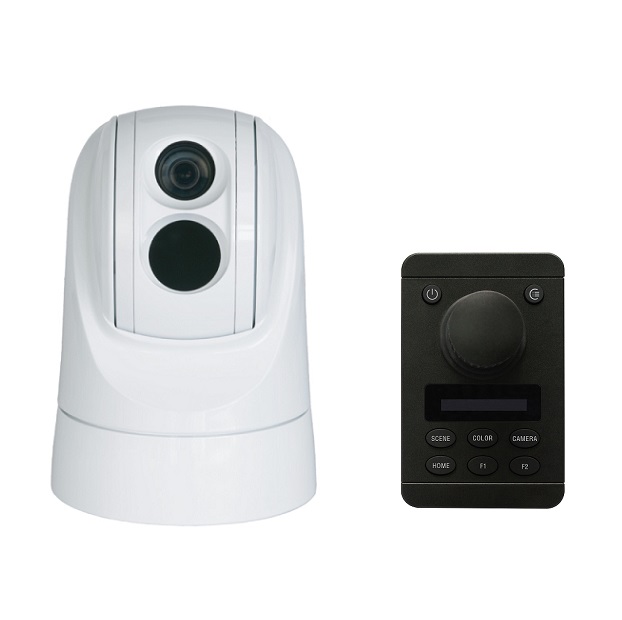
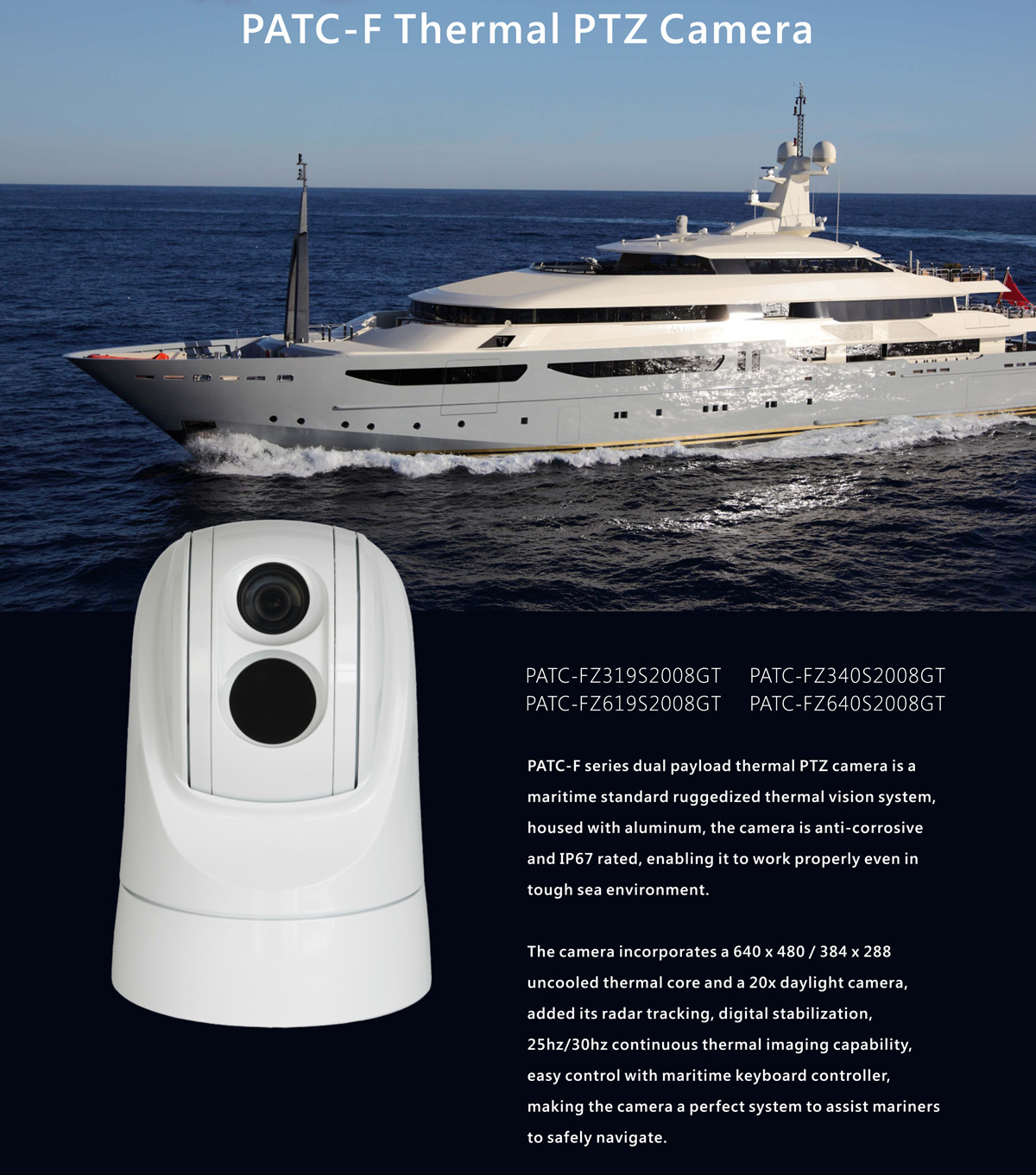
أكاميرا PTZ مزدوجة بحريةيغطي كل شيء في أي طقس. يمكنك تحريك الكاميرا بسهولة باستخدام لوحة تحكم بحرية. يتيح لك هذا الإعداد تغيير المشاهد بسرعة وتتبع الأشياء المتحركة. نظام التصوير الحراري البحري من winsafecctvيعمل بشكل جيد للأمن الساحلي والسفن البحرية. تبقى مستعدًا لأي شيء يحدث.
التغلب على القيود الفردية
لكل كاميرا أشياء لا تستطيع القيام بها. تعمل كاميرات الضوء المرئي جيدًا في النهار لكنها تواجه صعوبة في الظلام أو الطقس السيئ. ترى الكاميرات الحرارية الحرارة، لذا فهي تعمل في الظلام والضباب، لكنها لا تعرض الألوان أو التفاصيل الصغيرة. تعمل كاميرات PTZ ثنائية المستشعر على حل هذه المشكلات باستخدام النوعين معًا.
- لا تعمل كاميرات الضوء المرئي جيدًا عندما يكون الجو مظلمًا.
- تكتشف الكاميرات الحرارية الحرارة بغض النظر عن الإضاءة.
- تساعدك كاميرات PTZ ثنائية المستشعر على مراقبة كل شيء في جميع الأماكن.
تستخدم كاميرا PTZ حرارية للعثور على المخاطر في الضباب أو أثناء الليل. وتنتقل إلى التصوير المرئي للتحقق مما تراه. يساعدك ذلك على منع الحوادث والعثور على الأشخاص الذين لا ينبغي أن يكونوا هناك. وتحافظ على سلامة قاربك وطاقمك.
تصوير محسّن باستخدام تقنية MSX
تمزج تقنية MSX من FLIR بين الصور المرئية والحرارية للحصول على صور أوضح. ترى خطوطًا حادة وتفاصيل أكثر في كل صورة. يساعدك ذلك على العثور على المخاطر بشكل أسرع ومعرفة ما يحيط بك.
| الميزة | الوصف |
|---|---|
| تقنية MSX | تمزج بين التصوير المرئي والحراري للحصول على وضوح محسّن. |
| تحديد المخاطر | يحسّن القدرة على اكتشاف المخاطر في البيئات البحرية. |
تستخدم FLIR MD 625 تقنية MSX لوضع التفاصيل المرئية على الصور الحرارية. ترى الأشياء بوضوح، حتى عندما تكون الرؤية صعبة. يساعدك ذلك على الرسو بأمان، وتجنب الأشياء الموجودة في الماء، والعثور على علامات القنوات غير المضاءة. تساعدك كاميرات PTZ ثنائية المستشعر مع MSX على الشعور بالثقة في كل موقف.
نصيحة: استخدم كاميرا PTZ بحرية مزدوجة مع تقنية MSX للحصول على أفضل النتائج في البيئات البحرية. تحصل على تصوير واضح، واكتشاف سريع للمخاطر، وأداء موثوق من علامات تجارية مثل winsafecctv.
| التطبيق | الوصف |
|---|---|
| اكتشاف الاصطدام | يحسّن الاكتشاف أثناء الإبحار ليلًا أو في الضباب أو الطقس السيئ. |
| المواصفات البحرية | مصممة لتحمل الظروف البحرية القاسية على السفن. |
يمكنك الوثوق بكاميرات PTZ ثنائية المستشعر في البحث والإنقاذ والملاحة والأمن. يمكنك العثور على الحطام العائم وعلامات القنوات غير المضاءة في الظلام الدامس أو الضباب الكثيف. وتحافظ على سلامة قاربك وطاقمك.
التطبيقات البحرية
الأمن واكتشاف التسلل
تحتاج إلى أمن جيد على قاربك. ينطبق ذلك على السفن الكبيرة واليخوت. تساعدك كاميرات PTZ ثنائية المستشعر على مراقبة المتسللين. وتحمي طاقمك من الخطر. تستخدم هذه الكاميرات كلاً من التصوير الحراري والضوء المرئي. يمكنك رؤية التهديدات حتى عندما يكون الظلام شديدًا. وتكتشف الأشخاص أو الأشياء من مسافات بعيدة. لا يمنعك الضباب أو المطر من الرؤية. تساعدك هذه التقنية على معرفة ما يحدث من حولك. ويمكنك التصرف بسرعة إذا حاول شخص ما الصعود إلى قاربك. تحافظ كاميرا PTZ بحرية مزدوجة على سلامة سفينتك طوال اليوم والليل.
الملاحة وتجنب الاصطدام
تُعد الملاحة الآمنة مهمة في المياه المزدحمة. يجب عليك تجنب القوارب الأخرى والعوائق. يكون ذلك صعبًا عندما لا تتمكن من الرؤية جيدًا. تساعدك كاميرات PTZ ثنائية المستشعر على البقاء آمنًا. تستخدم العديد من الموانئ هذه الكاميرات مع الرادار. تستخدمها هيئة ميناء وندسور لمراقبة حركة المرور النهرية. إليك كيف تساعدك هذه الكاميرات:
- تحصل على مشاهد في كل اتجاه لمراقبة جميع الجوانب.
- يتيح لك الكشف الحراري رؤية القوارب والأجسام في الظلام.
- تساعد الفحوصات المرئية على تأكيد ما يكتشفه الرادار.
- يتخذ مدير الميناء قرارات أفضل ويتجنب الحوادث.
يمكنك استخدام لوحة تحكم بحرية لتحريك الكاميرا. وتفحص مناطق مختلفة بسرعة. يساعدك هذا الإعداد على البقاء منتبهًا وتجنب الحوادث.
البحث والإنقاذ
عندما يسقط شخص في البحر، يكون الوقت مهمًا. إذا كان القارب في خطر، يجب عليك التصرف بسرعة. تجعل كاميرات PTZ ثنائية المستشعر عمليات البحث والإنقاذ أسهل. تستخدم كاميرا PTZ حرارية للعثور على حرارة الأشخاص أو القوارب. تعمل في الإضاءة المنخفضة أو الضباب. تساعد هذه الكاميرات في اكتشاف سقوط الأشخاص من السفن السياحية. وتستخدم أدوات ذكية للعثور على الأشخاص بسرعة. وهذا يقلل من الإنذارات الكاذبة.
- يعمل التصوير الحراري بعيد المدى في الظلام والطقس السيئ.
- يمكنك الرؤية عبر الدخان والغبار والضباب الخفيف.
- يستخدم طراز Sentry التصوير الحراري والمرئي معًا للحصول على نتائج أفضل.
تغطي معايير مثل Audubon وMEDIN وISO19115 بعض الاحتياجات الخاصة بالتصوير البحري. ويُعد نظام بيانات الكواكب (PDS4) الأفضل لبيانات الاستشعار عن بُعد في البحر.
يمكنك الوثوق بعلامات تجارية مثل winsafecctv لأنظمة التصوير الحراري البحري. فهي تساعدك على إنقاذ الأرواح والحفاظ على سلامة سفينتك.
تحصل على أفضل النتائج في الماء باستخدام كاميرا PTZ ثنائية المستشعر. تمنحك هذه الكاميرا صورًا واضحة في أي طقس أو وقت. تساعدك على الحفاظ على سلامة طاقمك وتجعل الملاحة أسهل. تكون الحماية أفضل عند استخدام هذه التقنية. تحتوي العديد من الكاميرات، مثل كاميرا PTZ البحرية المزدوجة من winsafecctv، على ميزات تساعدك يوميًا.
| الميزة | الوصف |
|---|---|
| تثبيت جيروسكوبي بمحورين | يحافظ على ثبات الصور في البحار الهائجة. |
| تحليلات الفيديو البحري (MVA) | تكتشف الأجسام وتنبهك إلى الخطر. |
| تكامل سلس مع قمرة القيادة | سهل التثبيت والاستخدام مع لوحة التحكم البحرية الخاصة بك. |
يمكنك اختيار M232 للقوارب الصغيرة. ويُعد M400 مناسبًا للقوارب الأكبر أو قوارب العمل. فكّر في احتياجاتك قبل اختيار نظام التصوير الحراري البحري لقاربك.
الأسئلة الشائعة
ما هي كاميرا PTZ البحرية المزدوجة؟
تستخدم كاميرا PTZ البحرية المزدوجة كلاً من التصوير المرئي والحراري. تحصل على رؤية واضحة في جميع الظروف الجوية والإضاءة. تساعدك هذه الكاميرا على البقاء آمنًا في الماء واكتشاف المخاطر بسرعة.
كيف تساعد كاميرا PTZ الحرارية في الضباب أو الظلام؟
تكتشف كاميرا PTZ الحرارية الحرارة وليس الضوء. يمكنك رؤية القوارب أو الأشخاص أو العوائق حتى في الضباب الكثيف أو أثناء الليل. يحافظ ذلك على وعيك ويساعد على منع الحوادث.
هل يمكنني التحكم في هذه الكاميرات بسهولة؟
نعم! يمكنك استخدام لوحة التحكم البحرية. تتيح لك هذه الأداة تحريك الكاميرا والتكبير والتبديل بين طرق العرض بسرعة. تحصل على تحكم كامل حتى في البحار الهائجة.
لماذا تختار نظام تصوير حراري بحري من winsafecctv؟
تقدم winsafecctv أنظمة تصوير حراري بحري موثوقة. تحصل على أداء قوي، وأجهزة تدوم طويلًا، وتكامل سهل. تعمل هذه الأنظمة بشكل جيد للأمن والملاحة والإنقاذ.
هل أحتاج إلى التصوير المرئي والحراري معًا على قاربي؟
نعم. يعرض التصوير المرئي التفاصيل والألوان أثناء النهار. ويكتشف التصوير الحراري الحرارة في الظلام أو الطقس السيئ. يمنحك استخدامهما معًا أفضل مستوى من السلامة والوعي.



 +8613725587481
 sales@winsafecctv.com